
OpenAI Image Generation Models Evolution: From DALL·E to GPT Image 2
By the gptimg2ai.com Developer Team | Last Updated: May 2026
As participants in the field of AI development, we’ve seen OpenAI’s image generation capabilities evolve significantly over the past few years. What began with the pioneering DALL·E series has transitioned into the native multimodal GPT Image family. This article offers a factual overview based on OpenAI’s official developer documentation and announcements as of May 2026. We focus on verified milestones, capabilities, and shifts in approach.
Our goal is to provide a clear, balanced reference for anyone interested in how OpenAI has moved from standalone diffusion-based models to integrated, instruction-following image generation. This evolution reflects broader trends in multimodal AI, where text and image understanding now share the same underlying architecture.
Timeline of OpenAI’s Image Generation Advancements
OpenAI has released image models at a measured pace, with each step building on lessons from the previous generation. Here is a concise chronological overview:
-
January 2021: DALL·E (original)
OpenAI’s first text-to-image model, inspired by GPT-3 architecture. It demonstrated the potential of combining language and vision but was limited in resolution (256×256) and consistency. Primarily a research prototype. -
April 2022: DALL·E 2
Major leap in quality and realism using diffusion techniques. Resolution increased to 1024×1024. Introduced public API access, inpainting, and basic editing. This version brought AI image generation into mainstream use. -
September - October 2023: DALL·E 3
Focused on prompt fidelity and integration with ChatGPT. Higher resolution (up to 2048×2048), better handling of complex scenes, and support for style options (vivid/natural). Became the default creative tool for many users, though still a separate system from the core language model. -
March 25, 2025: GPT Image 1 (initially branded as 4o Image Generation)
Marked a fundamental architectural shift. Instead of a standalone model, image generation became native to GPT-4o’s multimodal framework. API model:gpt-image-1. Emphasized conversational editing, reference-image understanding, and practical workflows over pure artistic creativity. This was OpenAI’s move from “specialized image model” to “unified GPT capability.” -
October 2025: GPT Image 1-mini
Cost-efficient variant of GPT Image 1, offering similar core features at lower API pricing (approximately 80% cheaper in some cases). Aimed at developers and high-volume use. -
December 16, 2025: GPT Image 1.5
A major refinement model (API:gpt-image-1.5and snapshotgpt-image-1.5-2025-12-16). Key upgrades included 4× faster generation, significantly improved prompt adherence, precise multi-step editing with better preservation of lighting/composition/likeness, enhanced dense/small text rendering, and 20% lower input/output costs in the API. -
April 21, 2026: GPT Image 2 (or ChatGPT Images 2.0)
The current flagship model designed for advanced visual tasks. It is widely noted for its "thinking" capabilities due to enhanced planning, allowing it to handle complex layouts and generate highly realistic images. Key features include approx. 99% accuracy in text rendering, improved multilingual support, better spatial reasoning, support for flexible aspect ratios, and faster generation times. It is available in the API, Codex, and integrated into major platforms like Canva, Figma, Adobe, and Open Art.
Developer's Take: Hands-on Testing Experience
While official documentation highlights the technical shifts, real-world API testing reveals the practical impact of these updates. In our own platform testing, the leap from DALL·E 3 to the native GPT Image architecture is most noticeable in text rendering and complex prompt adherence.
For example, when prompting for images containing dense typography or specific branding elements, earlier models often hallucinated spellings. GPT Image models handle precise multi-step editing - allowing users to surgically replace elements in an image while preserving the original lighting and likeness - a workflow that was highly inconsistent in the standalone diffusion era.
Example of DALL-E 3
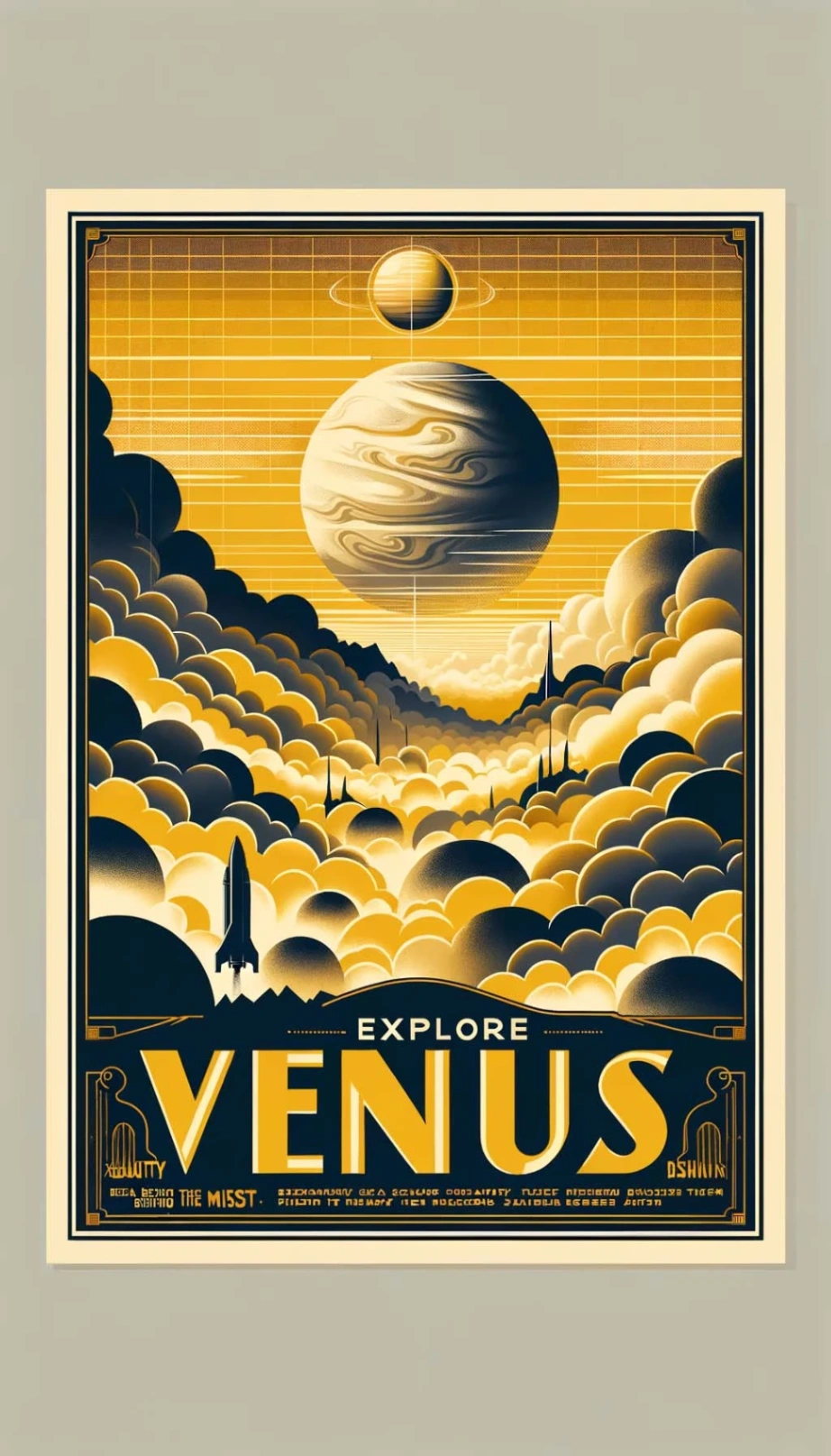
Example of GPT Image 1.5

Model Comparison: DALL·E 3 vs. GPT Image 1.5 vs. GPT Image 2
The table below summarizes the main differences based on OpenAI’s documented capabilities and our hands-on developer feedback. Note that real-world performance can vary by prompt complexity and use case.
| Aspect | DALL·E 3 (2023) | GPT Image 1.5 (Dec 2025) | GPT Image 2 (Apr 2026 – current) |
|---|---|---|---|
| Architecture | Standalone diffusion model | Native multimodal, refined for control | Advanced multimodal with enhanced "thinking" / planning |
| Primary Strength | Creative concept generation, prompt fidelity | Precise instruction following + detail preservation | Complex layouts, highly realistic images, spatial reasoning |
| Speed | Moderate (30–45 seconds typical) | Up to 4× faster than GPT Image 1 | Faster generation times overall |
| Capabilities | Basic inpainting/outpainting | Surgical edits; preserves lighting, composition | Flexible aspect ratios, superior prompt adherence |
| Text Rendering | Good for simple text | Excellent for dense/small text, logos | Approx. 99% accuracy, improved multilingual support |
| Cost (API) | Higher per-image baseline | 20% cheaper inputs/outputs vs. GPT Image 1 | Available via API and developer platforms |
| Integration | ChatGPT via dedicated calls | Native default in ChatGPT Images | API, Codex, Canva, Figma, Adobe, Open Art |
| Best For | Artistic exploration | Professional workflows, iterative editing | Advanced visual tasks, layout design, typography |
| Current Status | Legacy access (phasing out) | Previous Default | Current Flagship Model |
This comparison highlights OpenAI’s strategic pivot: earlier models prioritized creative surprise, while the latest GPT Image 2 emphasizes reliability, "thinking"-based planning, and seamless workflow integration.
The Official Release of GPT Image 2 (ChatGPT Images 2.0)
While GPT Image 1.5 was a highly capable model, the AI community closely tracked the next major leap. Following a brief period where the model appeared on the LMSYS Arena leaderboard around early April 2026 under temporary codenames (such as maskingtape-alpha), OpenAI officially released GPT Image 2 on April 21, 2026.
This new iteration is a major breakthrough for advanced visual tasks, bringing several highly requested features to developers and creators:
- "Thinking" Capabilities: The model features enhanced planning capabilities, allowing it to easily handle complex layouts and generate hyper-realistic images.
- Flawless Text Rendering: Achieves approximately 99% accuracy for text within images, along with significantly improved multilingual text support.
- Better Spatial Reasoning: Introduces deeper spatial understanding and native support for flexible aspect ratios, offering precise control over the output canvas.
- Broad Ecosystem Integration: Immediately available through the official API and Codex, and already integrated into industry-standard platforms like Canva, Figma, Adobe, and Open Art.
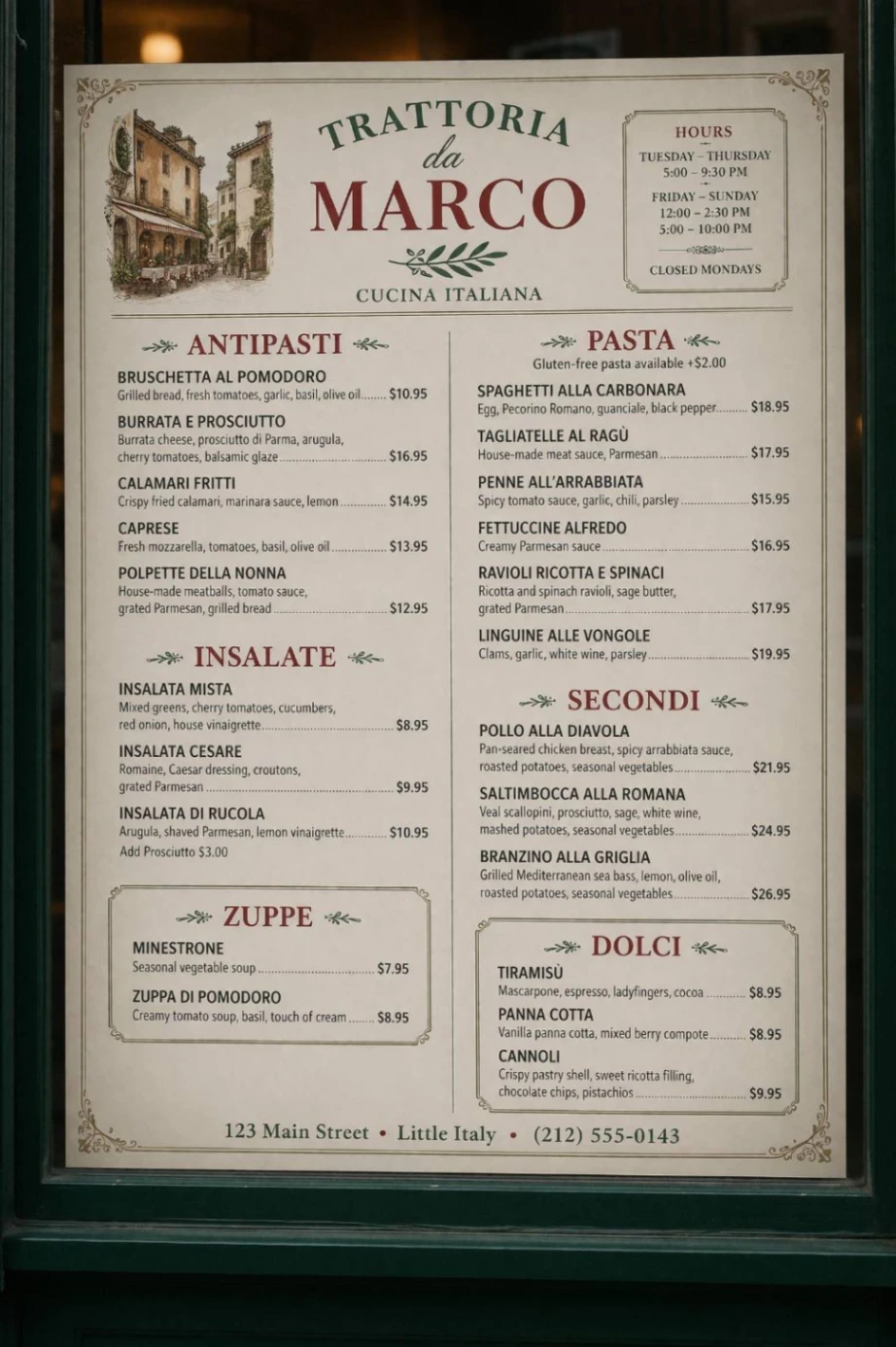
If you would like to learn more about our deep-dive reviews of this new flagship model, please read: GPT Image 2: Prompts, Text Rendering, and Nano Banana Pro Comparison
Conclusion
OpenAI’s journey from DALL·E to GPT Image 2 illustrates a clear progression toward more integrated, practical, and user-friendly image generation. By embedding image capabilities directly into the GPT architecture and introducing advanced "thinking" mechanisms, OpenAI has reduced the gap between “describing an idea” and “refining the visual result” - making iterative creation feel more natural than ever.
That said, no model is perfect. Even with 99% text accuracy, safety filters remain strict to prevent misuse, and results still depend heavily on clear prompts and realistic expectations.
We will continue monitoring official updates closely. For those exploring these models in depth - whether for creative projects, professional design, or API development - staying informed through official documentation and practical testing remains the most reliable approach.
Disclaimer: This overview is an independent analysis based on publicly available information from OpenAI. This site is an independent AI Photo Editor and is not affiliated with OpenAI.
About the Author:
As AI developers, we built gptimg2ai.com to track this rapid evolution and provide a platform for hands-on experimentation. Whether you wish to test the precise control capabilities of previous models, or experience the flexible aspect ratios and ~99% text accuracy of the newly released GPT Image 2, we invite you to join our platform and experience the next generation of AI image generation technology.